
Rear-End Accident Lawyer in Richmond, VA
Legal help for Virginians who were hurt when another driver hit them from behind.
No Recovery,
No Fee
80+ Years Combined
Attorney Experience
4.8 Stars
on Google
Practicing Personal Injury Law
Since 1973
Hurt in a Rear-End Crash in Richmond?
If another driver rear-ended you in Virginia, you may have a claim against that driver for your medical bills, lost pay, and pain.
Collier & Collier can review what happened, explain who may have to pay, and talk with you about your options.
What to know about rear-end crash claims in Virginia:
- The driver in back must not follow too closely
- Fault is not automatic for either driver
- Any fault on your part can bar recovery
- Your own policy may help if the other driver is uninsured or underinsured
- Most claims must be filed within two years

Is the Driver Who Hit Me Always at Fault?
Not automatically. Virginia law says a driver must not follow another vehicle “more closely than is reasonable and prudent,” considering the speed of both vehicles, traffic, and road conditions (Va. Code § 46.2-816).
The other driver’s insurer may still argue that you caused the crash, for example by claiming you stopped suddenly for no reason or had broken brake lights.
Why Partial Fault Matters in Virginia
Under Virginia’s contributory negligence rule, a person who was even slightly at fault for a crash can be barred from recovering anything. The other side has to prove that you were at fault. Evidence such as photos of the damage, witness statements, and video can help show how the crash really happened.

Who Pays After a Rear-End Collision?
The at-fault driver’s liability insurance is usually the first source of payment. If that driver has no insurance, or not enough to cover your losses, your own auto policy may help. Virginia auto liability policies generally must include uninsured and underinsured motorist coverage (Va. Code § 38.2-2206).
When several vehicles or a company vehicle are involved, more than one policy may apply. Find out which ones before you sign a settlement release.
Common Causes of Rear-End Crashes
Rear-end crashes usually happen when the driver in back cannot stop in time. Common reasons include:
- Following too closely
- Looking at a phone or away from the road (see distracted driving accidents)
- Driving too fast for traffic or weather
- Wet or icy roads
- Chain-reaction crashes in stop-and-go traffic
For other kinds of collisions, see our car accident and T-bone accident pages.
When a truck or other commercial vehicle hits you from behind, the case may involve a trucking company and its insurer. Our truck accident page explains those claims.
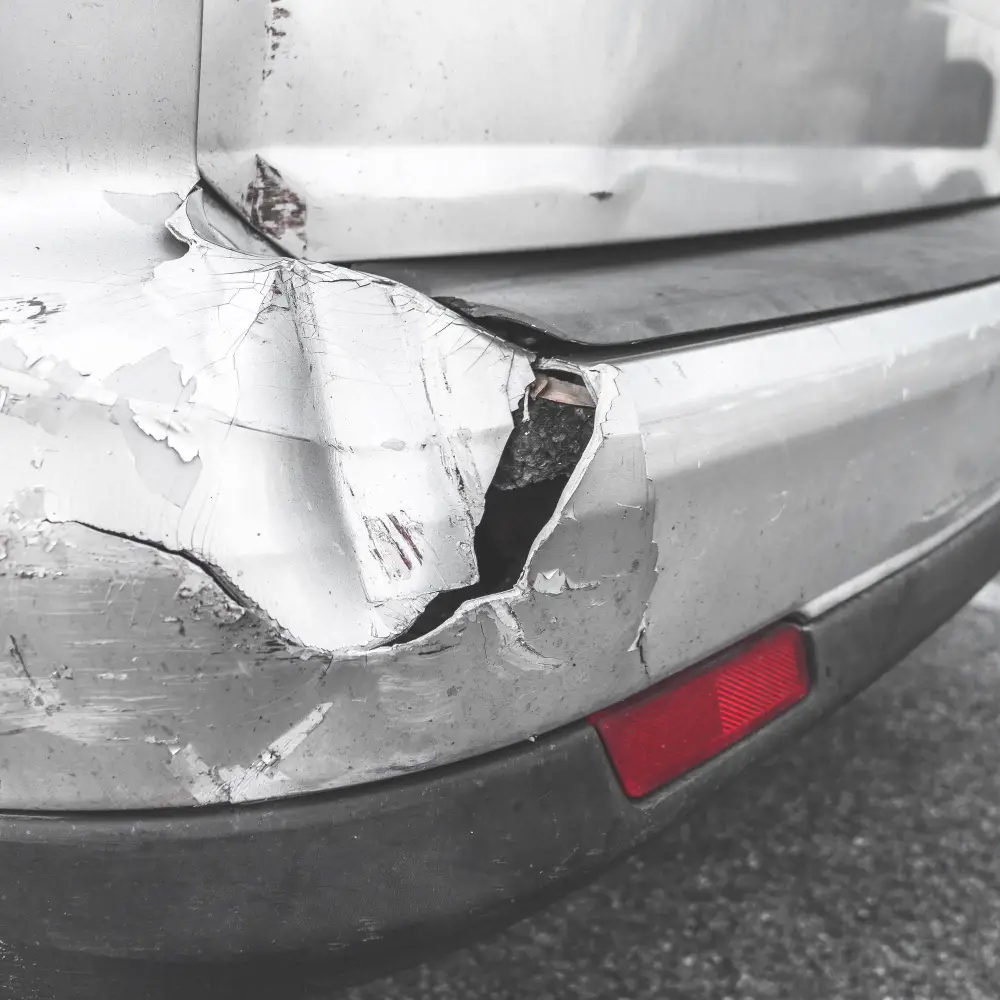

Common Injuries After a Rear-End Crash
Even a crash at lower speed can cause injuries that need treatment, such as:
- Whiplash and other neck injuries
- Back and disc injuries
- Concussions and other brain injuries
- Shoulder injuries
- Spinal cord injuries in severe crashes
Medical records can document your symptoms, treatment and when you first reported them.
What to Do After You’re Rear-Ended
- Call the police. Ask for the crash report number before you leave.
- Take photos. Photograph both vehicles, the road, and any brake lights.
- Get medical care. See a doctor, even if the pain seems minor at first.
- Save witness details. Get names and phone numbers before people leave.
- Be careful with insurers. Talk with a lawyer before giving a recorded statement.

What a Rear-End Claim Can Recover
Depending on the evidence, a claim may seek:
- Emergency care, treatment, and therapy
- Future medical care
- Lost wages and lost earning capacity
- Pain, mental anguish, and inconvenience
- Lasting scarring or disfigurement
If you have to take time off work or keep treating for months, those losses belong in the claim. That is one reason not to settle before you understand your recovery.
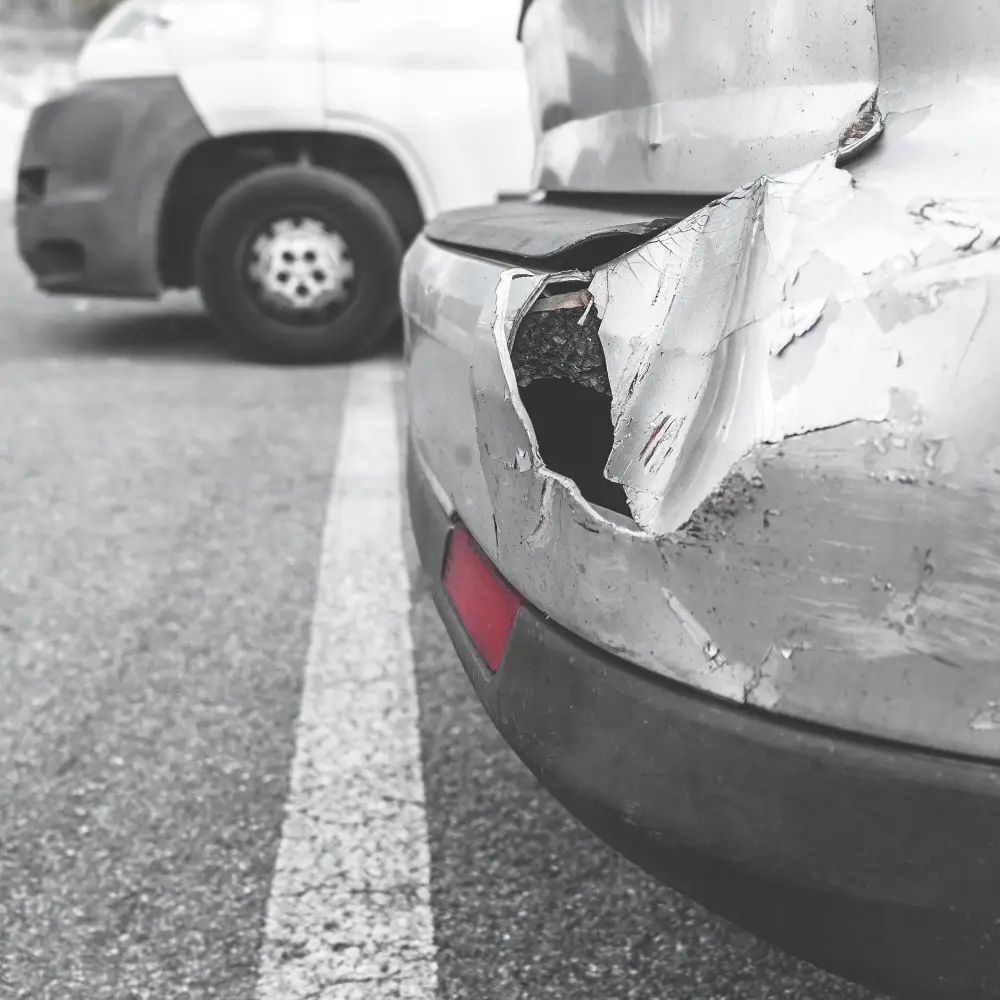

Most Claims Must Be Filed Within Two Years
Most Virginia personal injury lawsuits must be filed within two years of the crash (Va. Code § 8.01-243). Other deadlines can apply:
- Wrongful death claims: two years from the date of death
- Injured children: different timing rules can apply
Contacting a firm does not stop a filing deadline.
No Recovery, No Fee
Case reviews are free. You owe attorney fees only if your case settles or is won. Case expenses are separate and explained in your written fee agreement.
Reviews


Questions About Rear-End Accidents
Why People Choose Collier & Collier

Talk With a Lawyer About Your Rear-End Crash
Tell us how the crash happened and what the insurer has said so far. We can explain who may have to pay, what a claim could cover, and how much time you have. Contact Collier & Collier for a free case review.
Contact Us/Legal Questions
Contact form for the sidebar of the web site