

A car accident can leave anyone feeling shaken and unsure about what to do next. Knowing what to do after a car accident legally in Virginia ahead of time keeps you from making a mistake at the scene that hurts your health or your ability to recover compensation later.
Below, we walk through the ten steps that matter most, from the moment of impact through filing a claim, based on what actually protects drivers in Virginia’s legal system.
10 Steps to Take After a Car Accident in Virginia
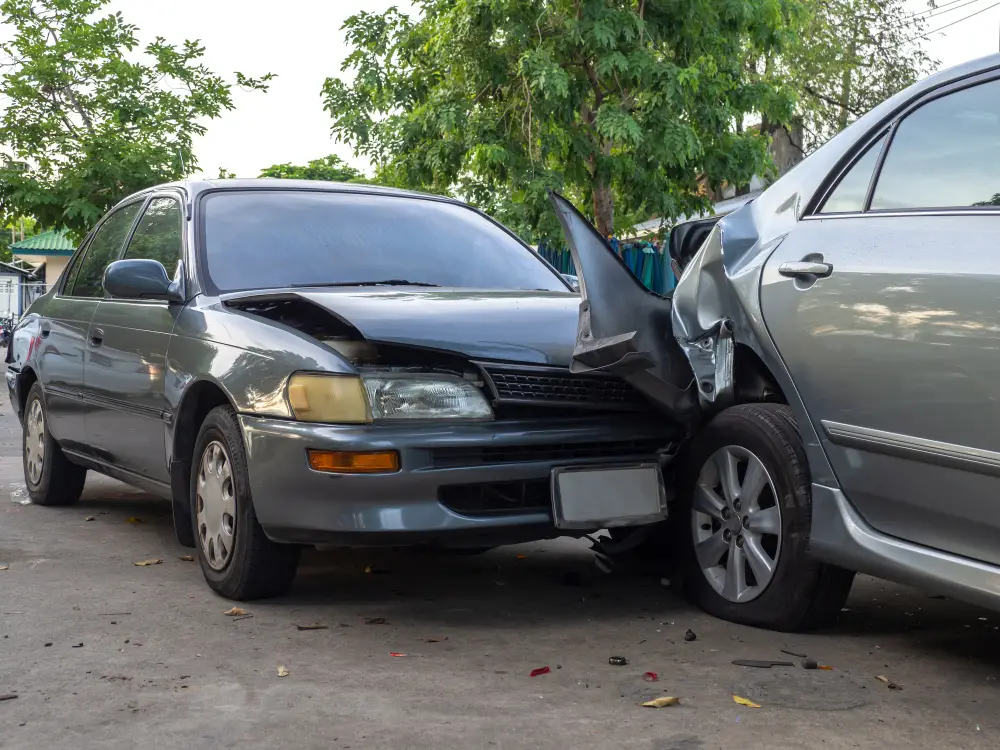
Dealing with a crash is incredibly stressful, and it is easy to feel overwhelmed by what happens next. The steps you take in these moments actually shape your ability to get the care and compensation you deserve. To keep yourself safe and protected under Virginia law, make sure to follow these 10 steps closely.
Step 1: Check for Injuries and Move to Safety
Your first step is to check yourself and any passengers for injuries first, then check on the other driver if it is safe to do so. If your car is drivable and no one is seriously hurt, move it out of the travel lane so you are not sitting in live traffic.
Also, turn on your hazard lights immediately, since a stopped car on a dark road or a curve is its own hazard to everyone behind you.
Step 2: Never Leave the Scene
Many drivers panic and leave the scene right away. Remember, you don’t need to do it at all. This is because Virginia law treats leaving the scene of a crash as a serious criminal matter.
Under state law, a driver who leaves after an accident involving injury, death, or real property damage can face felony hit-and-run charges, even if the crash itself was not their fault. So, stay there, even for a minor bump with no visible damage, until you have exchanged information or been told by police you can leave.
Step 3: Know When to Call the Police
Call the police whenever there is any chance of injury, disputed fault, or serious damage, since a responding officer creates an official report that often becomes the most important piece of evidence if your claim gets disputed later. Virginia requires a report when a crash causes injury, death, or property damage of $1,500 or more, and you can report a crash directly to the DMV if officers do not respond. Even outside that legal threshold, you can call police if any of these apply.
- Someone is injured, even with a minor ache or bump.
- Traffic is blocked, or the road is unsafe.
- The other driver disagrees about who caused the crash.
- You suspect the other driver is intoxicated or uninsured.
- There is any chance the other driver could take off.
Step 4: Exchange Information With the Other Driver
Next, get the following details from the other driver:
- Name
- Address
- Phone number
- Driver’s license number
- License plate
- Insurance company
- Policy number
Along with that, get a basic description of their vehicle. Furthermore, take a photo of their license and insurance card with your phone if they are willing, since it is faster and more accurate than writing everything by hand.
Step 5: Document the Scene
After that, photograph the position of both vehicles before anyone moves them, then get close-up shots of the damage, any skid marks, and the road conditions. This kind of visual record matters even more at intersections, where fault in a T-bone collision often comes down to exactly where each car was positioned.
Besides that, get the name and phone number of any witness who saw what happened, since witnesses tend to be hard to track down once they have driven off.
Step 6: Be Careful What You Say
What you say at the scene can follow you through your entire claim, so stick to facts and skip the small talk about fault. Saying “I’m sorry” or “I didn’t see you coming” may seem like basic politeness at the moment, but under Virginia law, it can be treated as an admission. This is because Virginia is one of only a handful of states that still follows contributory negligence.
That means if you are found at fault, even slightly, for the crash, you can be barred from recovering any compensation at all. Remember, insurance adjusters are well aware of this rule and actively look for any comment that suggests shared fault. Therefore, be careful about what you say at the accident scene.
Step 7: See a Doctor, Even If You Feel Fine
Not every injury appears immediately after a collision. Many people leave the scene believing they escaped without injury. However, they develop symptoms hours or even days later. This is usually common in conditions like the following:
- Whiplash
- Concussions
- Soft tissue injuries
- Back injuries
That’s why you should make sure that you seek immediate medical help, even if you feel fine. By doing so, you ensure you remain safe from long-term or chronic health issues. Besides that, it creates medical documentation connecting your injuries to the collisions, which helps you to defend your case effectively.
Step 8: Report the Accident to Your Insurance Company
After the medical help, notify your insurance company as soon as reasonably possible after the collision. Most insurance policies require timely reporting, even when another driver appears to be entirely responsible. However, when speaking with your insurance company, stick to the facts.
Here is what you need to explain at that moment:
- When the collision occurred
- Where it happened
- Who was involved
- Whether police responded
- Whether anyone was injured
Remember, if the insurance adjuster asks for a recorded statement, you are within your rights to ask for time to consult with counsel before providing one. You do not have to provide a statement immediately while you are still dealing with the initial shock of what to do after a car wreck.
Step 9: Keep an Accident Folder
Another thing you need to do is to keep everything related to the crash in one place, whether that is a physical folder or a dedicated album on your phone. Over the course of a claim, you will want to hold onto the following.
- Photos from the scene
- The police report
- Medical records and bills
- Repair estimates
- Documentation of any missed work
A folder like this saves real time later, since insurance companies and attorneys will ask for these documents more than once as your claim moves forward.
Step 10: Know When to Call a Richmond Personal Injury Attorney
Not every car accident requires legal representation, but certain situations deserve immediate attention from an attorney. You should call a Richmond car accident lawyer:
- If your pain is getting worse instead of better
- If the other driver disputes fault
- If more than two vehicles or a commercial truck were involved
- If the other driver was uninsured or underinsured
- If the insurance company is pushing you toward a quick settlement
Many people accept an early settlement before they understand the full extent of their injuries or future medical expenses. Once a settlement is finalized, reopening the claim is often impossible. So, make sure that you don’t go for a quick settlement.
Injured in a Car Accident in Richmond? Contact Collier & Collier

Knowing what to do after a collision is only part of protecting yourself. Building a successful injury claim often requires gathering evidence, dealing with insurance companies, documenting medical treatment, and responding to attempts to shift blame.
At Collier & Collier, we have more than 80 years of combined legal experience representing injured Virginians. We understand how insurance companies evaluate claims, and we know how Virginia’s contributory negligence rule can affect even straightforward cases.
If someone else’s negligence caused your injuries, our legal team can explain your options, investigate your case, and communicate with insurance companies on your behalf. Call 804-364-5200 today for a free consultation.
Frequently Asked Questions
Do I have to call the police after a minor car accident in Virginia?
Virginia law requires a report when the crash involves injury, death, or property damage of $1,500 or more, but calling is still the safer choice even below that threshold, since it creates an official record if the situation changes later.
What happens if I don’t exchange information after an accident?
Failing to exchange information after an accident can leave you without a way to identify the other driver or file a claim, and depending on the circumstances, it can also expose you to the same hit-and-run consequences as leaving the scene entirely.
Can I still recover compensation if I was partly at fault for the accident?
Virginia’s contributory negligence rule makes this genuinely difficult, since being found even slightly at fault can bar you from recovering anything at all, which is exactly why avoiding fault-related comments at the scene matters so much.
How long do I have to file a car accident claim in Virginia?
Virginia generally gives injury victims two years from the date of the crash to file a personal injury lawsuit, and missing that deadline can permanently end your ability to recover compensation.
Should I give a recorded statement to the insurance company?
Giving a recorded statement before you fully understand your injuries or the facts of the crash can work against you, so it is reasonable to request time, gather your thoughts, or speak with an attorney first.
