
Uber Accident Lawyer in Richmond, VA
If you were hurt as a passenger, another driver, or a pedestrian in a crash involving an Uber or Lyft in the Richmond area, Collier & Collier can untangle which insurance policy applies and push for full compensation. Case reviews are free, and you pay nothing unless we recover money for you.
No Recovery,
No Fee
80+ Years Combined
Attorney Experience
4.7 Stars
on Google
Practicing Personal Injury Law
Since 1973
If You Were Hurt in an Uber or Lyft Accident
Getting hurt in a rideshare accident comes with an extra layer most car accidents don’t have: figuring out which insurance policy actually covers you.
Whether you were a passenger in the car, driving another vehicle that got hit, or walking when an Uber or Lyft driver struck you, the driver’s app status at the moment of the crash can change which policy pays and how much coverage is available. Insurance companies on both sides know this, and they’ll often argue for whichever answer costs them less.
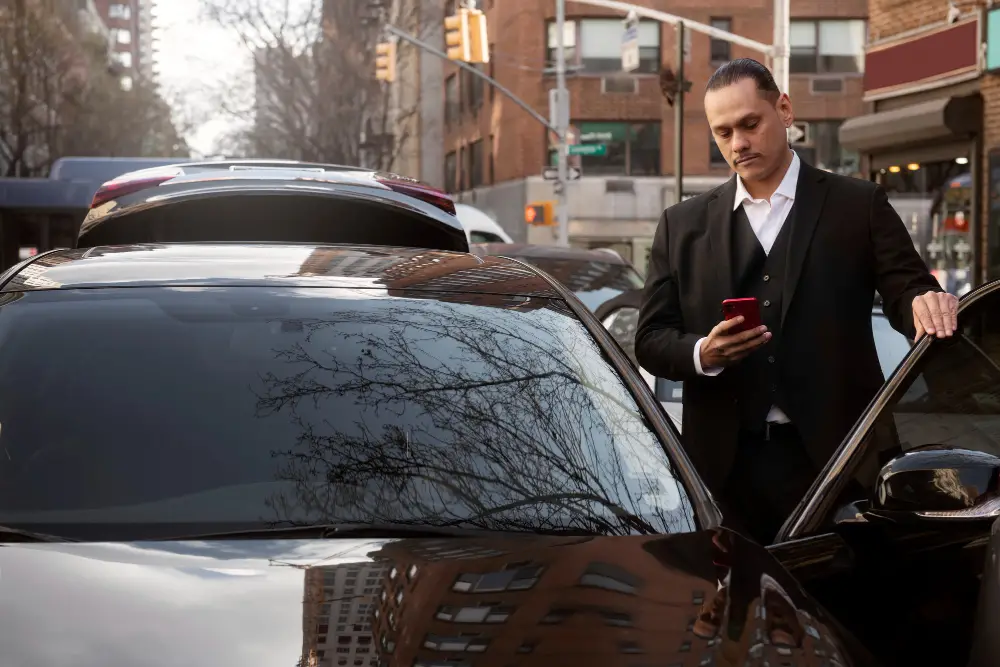

Rideshare Accidents Are a Real Risk on Richmond’s Roads
Uber’s own safety reporting shows a national fatality rate of 0.87 per 100 million miles driven in 2021–2022, and found that other drivers, not the Uber driver, caused 95% of fatal crashes involving an Uber vehicle. That second number matters locally: Richmond’s heaviest rideshare pickup and drop-off areas, including Broad Street, Scott’s Addition, Shockoe Bottom, and around VCU, see near-constant rideshare traffic, especially on weekend nights, which means more chances for another driver to cause a crash involving a rideshare vehicle you’re in or near.
Comprehensive Virginia-specific rideshare crash data isn’t publicly available the way general crash data is, so we can’t point to a single Richmond number here. What we can tell you is that these accidents happen often enough in this city that insurance companies have well-practiced playbooks for minimizing what they pay.
How Virginia’s Rideshare Insurance Law Works
Virginia treats Uber and Lyft as “Transportation Network Companies,” or TNCs, under Virginia Code § 46.2-2099.52, and the insurance that applies depends on what the driver’s app was doing at the moment of the crash.
If the driver was logged out of the app, only their personal auto insurance applies. If the app was on but no ride had been accepted yet, Virginia requires at least $50,000 per person and $100,000 per accident in coverage. Once a ride is accepted, whether the driver is en route to pick you up or you’re already in the car, Uber and Lyft are required to carry at least $1 million in liability coverage, plus $1 million in uninsured and underinsured motorist coverage.


Who Can Be Held Responsible
Depending on how the crash happened, the rideshare driver, the rideshare company’s insurance, another driver entirely, or some combination of these may owe you compensation.
If another driver caused the crash while you were riding in or near an Uber or Lyft, that driver’s insurance is typically the first place to look, with the rideshare company’s uninsured or underinsured motorist coverage available as backup if that driver doesn’t have enough. If the rideshare driver caused the crash, which policy applies depends on the insurance period explained above.
A poorly maintained vehicle can point to a separate source of liability. If worn brakes, bald tires, or a botched repair job contributed to the crash, the vehicle’s owner or the shop that serviced it could share responsibility, separate from anything the rideshare company’s insurance covers.
If a rideshare accident took the life of someone you love, we also handle wrongful death claims under Virginia’s Wrongful Death Act.
Our Rideshare Accident Claims Process
We start by pinning down exactly what the driver’s app showed at the moment of the crash, since that detail determines which insurance policy applies. Uber and Lyft keep trip data that can establish this, and we know how to request it before it becomes harder to get.
From there, we identify every party who may share responsibility and handle every conversation with the insurance companies involved, so you’re not stuck untangling multiple policies on your own while trying to recover.

What Compensation May Include
Compensation may include medical expenses (past and future), lost income while you’re recovering, and pain and suffering for what the injury has cost you physically and emotionally. Property damage to your vehicle or belongings can factor in too, if you were driving or riding in a car that was damaged.
We won’t promise a number here, since every case is different, but these are the categories we build a claim around once we’ve reviewed what happened to you.
No Recovery, No Fee
We handle rideshare accident claims on a contingency-fee basis: no upfront cost to hire us, no hourly bill while your case is pending, and no fee unless we recover money for you.
What your claim is worth depends on factors like the severity of your injuries, lost income, and long-term medical needs, so we won’t guess at a number here. What we can promise is a straightforward answer once we’ve reviewed your case.
Other Accident Types We Handle
Why Choose Collier & Collier
Our attorneys bring more than 80 years of combined legal experience to rideshare accident claims, but we’re still a small, family-operated firm, so you’ll talk directly with the attorneys and staff handling your case.
We know Virginia’s rideshare insurance law, including the three coverage periods under the TNC Act, and how to get the trip data that proves which one applies to your case.

Reviews


Frequently Asked Question

Talk to Us Before Time Runs Out
You generally have two years from the date of your accident to file a claim under Virginia Code §8.01-243, but the sooner you talk to us, the sooner we can start protecting your case. Call Collier & Collier at (804) 364-5200 for a free, no-obligation case review.
Contact Us/Legal Questions
Contact form for the sidebar of the web site